The Best Pickleball Paddle for Tennis Elbow: A Comprehensive Guide
Some links on this page are affiliate links. If you buy through them we may earn a commission at no extra cost to you. It does not change our recommendations. Learn more.
Tennis elbow, also known as lateral epicondylitis, is a painful condition that affects many racquet sport players, including pickleball enthusiasts. Choosing a paddle that feels comfortable may help reduce strain on the arm, but no paddle can treat or cure tennis elbow, and persistent elbow pain should be checked by a doctor or physical therapist. This article will guide you through the key factors to consider when selecting a pickleball paddle if you are prone to tennis elbow and provide our top recommendations.
Don't have tennis elbow? Check out recommendations for the best pickleball paddles to find your dream paddle.
Tennis Elbow: An Overview
Before we dive into the pickleball paddle discussion, let's take a moment to understand tennis elbow and its implications on our beloved sport. Because, hey, knowledge is power, right?

What is Tennis Elbow?
Tennis elbow, medically known as lateral epicondylitis, is a painful condition that occurs when the tendons in the forearm that attach at the outer part of the elbow become irritated and damaged by repetitive stress.
Despite its name, tennis elbow isn't exclusive to tennis players – anyone who frequently engages in activities that put stress on the forearm muscles, like pickleball, can develop this condition.
Symptoms
The main symptom of tennis elbow is pain and tenderness on the outside of the elbow, which may extend down the forearm.
This pain can be mild or severe and typically worsens when gripping objects, shaking hands, or performing any activities that involve wrist extension or forearm rotation.
Causes
Tennis elbow is caused by repetitive strain on the forearm muscles and tendons, which can result from activities like playing racquet sports, painting, or even typing.
In pickleball, the repeated motion of swinging the paddle and the impact of the ball on the paddle can contribute to the development of tennis elbow.
Treatment
Tennis elbow can often be managed with conservative measures, which your doctor or physical therapist may suggest, such as:
- Rest and activity modification
- Over-the-counter pain relievers and anti-inflammatory medications
- Ice and compression
- Physical therapy and exercises to strengthen the forearm muscles
- Wearing a tennis elbow brace
In more severe or persistent cases, a doctor may discuss other options, including injections or, rarely, surgery. If your elbow pain does not settle, talk to your doctor before continuing to play.
Prevention
As they say, an ounce of prevention is worth a pound of cure. To prevent tennis elbow, it's important to practice proper technique, use the right equipment (like the best pickleball paddle for tennis elbow), and give your body the care it needs with regular warm-ups, stretching, and strengthening exercises.
Now that we've covered the basics of tennis elbow, you're ready to make informed decisions about your pickleball paddle and playing habits to keep your arm pain-free and ready for action!
Key Factors to Consider When Selecting a Pickleball Paddle for Tennis Elbow
Ah, the art of choosing the perfect pickleball paddle. It's not just about color coordination or how it matches your outfit, though we can't deny that's important too. To avoid being benched by that pesky tennis elbow, we need to delve into the nitty-gritty details. Here are the four key factors to consider when picking out your paddle.
Paddle Weight: Featherweight, but Packs a Punch
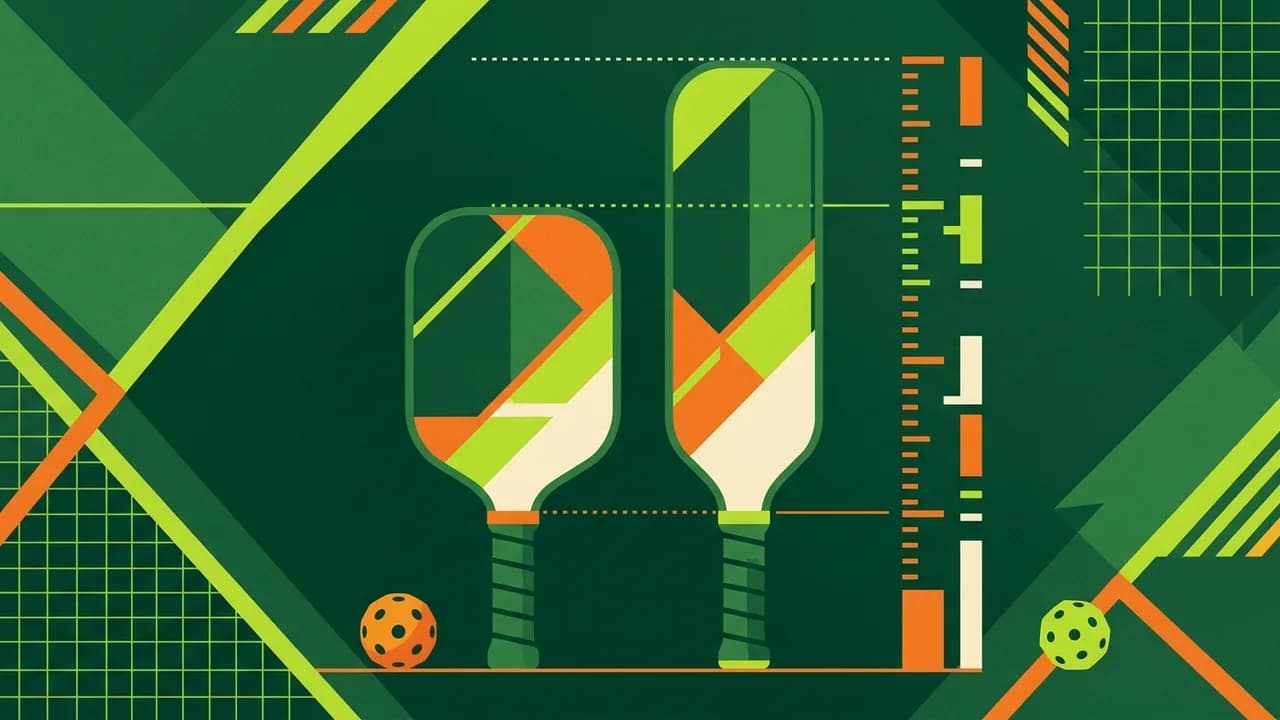
A heavier paddle can give you more power, but it may not be worth the trade-off when your elbow is sensitive. Many players with elbow trouble prefer a light-to-mid-weight paddle, roughly 7 to 8.5 ounces, though the best weight varies from person to person.
You'll still be able to deliver those satisfying smashes without feeling like you're lugging around Thor's hammer.
Grip Size and Shape: The Perfect Handshake
Finding the right grip size and shape is like finding the perfect handshake. You don't want it to be too tight or too loose, and you definitely don't want to be left with a limp-wristed grip.
A proper grip size will help you avoid over-gripping, which is a major contributor to tennis elbow. So, measure your hand and find a paddle with a grip that feels like it was tailor-made for you.
Paddle Materials and Construction: The Secret Sauce
The secret to a tennis elbow-friendly paddle lies in its materials and construction. Paddles with polymer cores tend to feel softer and quieter than very stiff, thin-core designs, and many players with sensitive arms prefer that softer feel.
Stiff, thin-core paddles can transmit more vibration, so try before you buy if you can.
Vibration Dampening Technology: A Smooth Operator
If you're serious about keeping tennis elbow at bay, consider a paddle with built-in vibration dampening technology. These paddles are like the smooth operators of the pickleball world, which are intended to soften the feel of each hit (manufacturer claims are not independently verified).
And if you're already rocking a paddle you love, fear not – you can always add a vibration dampener accessory to give it a little extra oomph in the tennis elbow prevention department.
Now that we've covered the essential factors, you're well on your way to becoming a pickleball paddle connoisseur. Just remember, it's not all about the looks – it's what's inside (and outside) that counts!
Our picks
Picks refreshed October 21, 2026 from each brand's own specs and buyer reviews. Not hands-on tested.
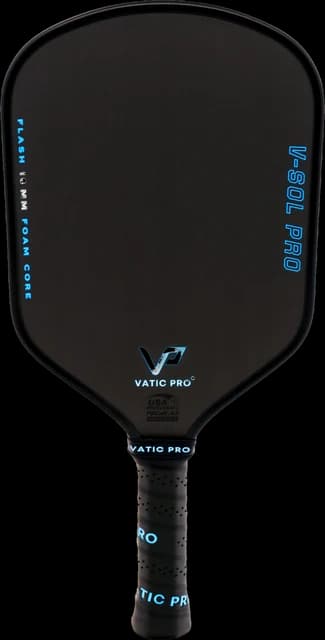 #1
Vatic Pro V-Sol Pro (16mm)
$110 · 8 oz · 16 mm · Foam core
- 16 mm core
- Listed at 8 oz
- Buyers rate it 4.8 out of 5 across 797 reviews on the seller's store
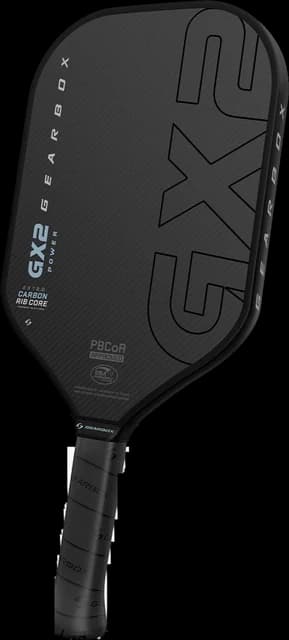 #2
Gearbox GX2 Power Hybrid
$280 · 8 oz · 16 mm · Hybrid · Rib core
- 16 mm core
- Listed at 8 oz
- Buyers rate it 4.8 out of 5 across 190 reviews on the seller's store
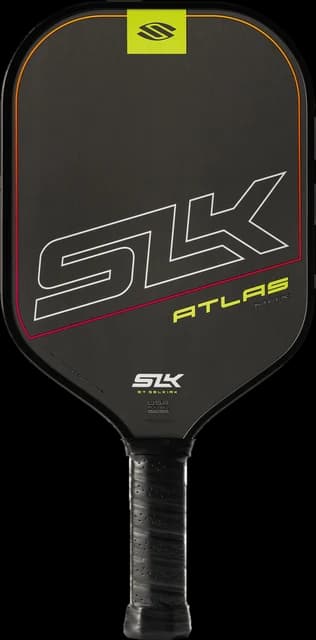 #3
Selkirk SLK Atlas Max
$80 · 7.6–8.1 oz · 16 mm · Standard / wide · Honeycomb core
- 16 mm core
- Listed at 7.6–8.1 oz
- Buyers rate it 4.9 out of 5 across 60 reviews on the seller's store
 #4
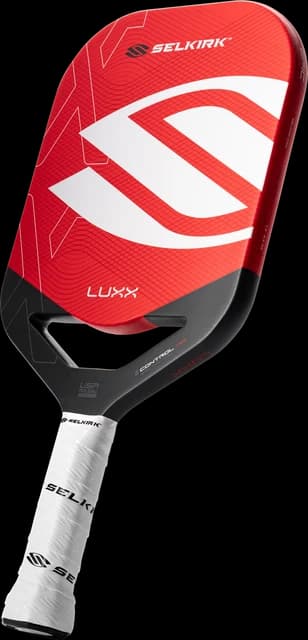
Selkirk LUXX Control Air with InfiniGrit®
$200 · 7.9–8.3 oz · 19 mm · Honeycomb core
- 19 mm core
- Listed at 7.9–8.3 oz
- Buyers rate it 4.7 out of 5 across 161 reviews on the seller's store
 #5
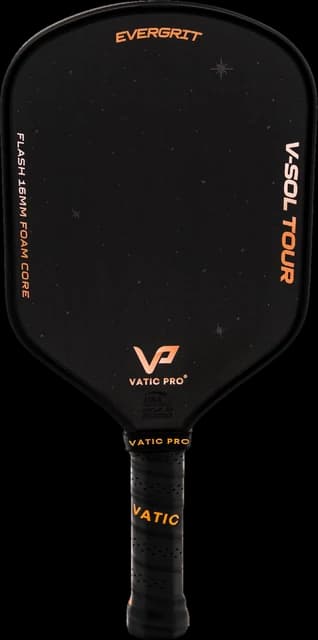
Vatic Pro V-Sol Tour with Evergrit (16mm)
$110 · 8 oz · 16 mm · Foam core
- 16 mm core
- Listed at 8 oz
- Buyers rate it 4.8 out of 5 across 152 reviews on the seller's store
 #6
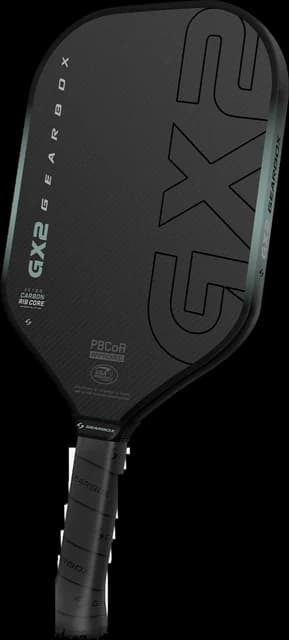
Gearbox GX2 Integra XL All Court
$170 · 8 oz · 16 mm · Elongated · Rib core
- 16 mm core
- Listed at 8 oz
- Buyers rate it 4.9 out of 5 across 26 reviews on the seller's store
 #8
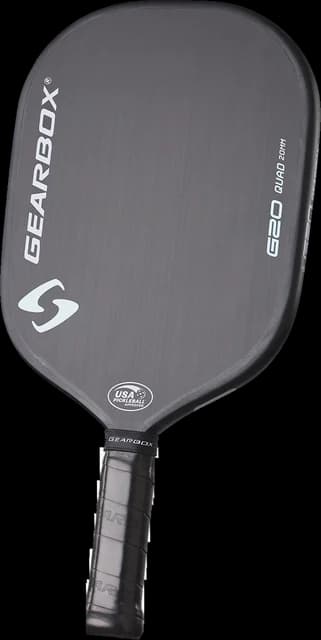
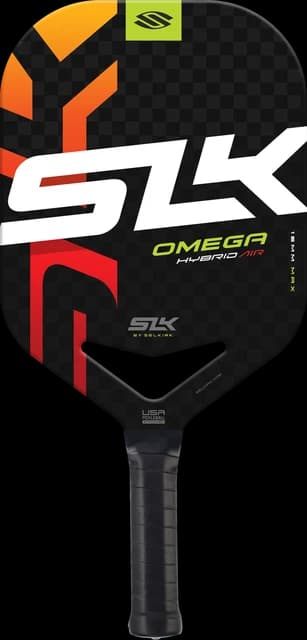
Selkirk SLK OMEGA Hybrid Air Max
$90 · 7.7–8.1 oz · 16 mm · Standard / wide · Honeycomb core
- 16 mm core
- Listed at 7.7–8.1 oz
- Buyers rate it 4.6 out of 5 across 64 reviews on the seller's store
 #9
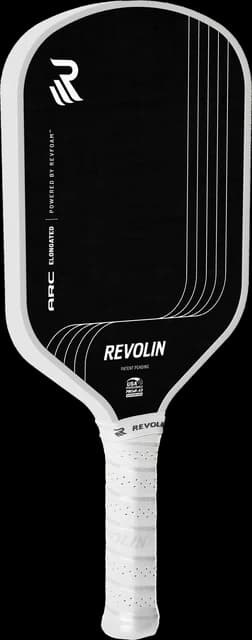
Revolin Arc Elongated
$160 · 8–8.3 oz · 16 mm · Elongated · Foam core
- 16 mm core
- Listed at 8–8.3 oz
- Buyers rate it 4.8 out of 5 across 10 reviews on the seller's store
How we picked
We have not tested these paddles. Each pick follows this rule over the brand's published specs and its buyers' review scores:
- Core 16 mm or thicker. Thicker cores are generally described as muting the harshest feedback, though we found no independent vibration tests to confirm it.
- Listed weight of 8.2 oz or less, because a lighter paddle is easier to swing, with 7.0 oz as the floor so it isn't twitchy.
- Ranked by buyer rating, with at most three per brand.
What the research says
Our research found no reliable independent test comparing how paddles transmit vibration. Advice from retailers and coaches is consistent on three points, which we use as the rule: thicker core, lighter swing weight, and a grip that isn't too small, since a tight squeeze tires the forearm. Source: Pickleball Effect Hot List.
Frequently asked questions
Did you test these paddles?
No. We have not weighed, swung or lab-tested them. Picks are ranked by a published rule over the brand's listed specs and its buyers' review scores, and the rule is spelled out on this page. Where an independent lab has measured a paddle we say so on that paddle's page.
Will a thicker core cure my tennis elbow?
No. Equipment can make play feel more comfortable but it does not treat the condition. If you have pain, see a doctor or physical therapist.
Does grip size matter?
Yes. A grip that is too small makes you squeeze harder, which can tire the forearm. Many brands list grip circumference, shown on each paddle's page when we have it.
More from our paddle reviews
Tips for Preventing Tennis Elbow While Playing Pickleball
Alright, pickleball pals, let's talk about some insider tips to keep tennis elbow at bay while we're out there smashing dinks and turning heads. Because let's face it, nobody wants to be sidelined by a pesky injury. Here are four tried-and-true tips to help you stay pain-free on the pickleball court:
Proper Warm-up and Stretching Exercises: Limber Up, Buttercup
Never underestimate the power of a good warm-up and stretch session. Just like you wouldn't go on a first date without brushing your teeth, don't step onto the court without properly limbering up those muscles.
Focus on dynamic stretches that target your arms, shoulders, and wrists. Remember, a flexible and warmed-up muscle is a happy muscle.
Maintaining Proper Technique and Form: A Masterclass in Pickleball Poise
It's not just about looking cool on the court; proper technique and form are essential for keeping tennis elbow at bay. Hone your skills and make sure you're not overcompensating with your arm or wrist when swinging.
A little coaching or some online tutorials can work wonders. Embrace your inner pickleball pro and keep that form on point!
Regularly Changing Grip Tape: Out with the Old, In with the New
Just like you wouldn't wear worn-out shoes to run a marathon, don't play with a paddle that has old, slippery grip tape. Replace that tape as soon as it starts to wear down or lose its tackiness.
A fresh grip can improve your hold on the paddle and help prevent over-gripping, which is a one-way ticket to Tennis Elbow Town.
Considering the Use of a Tennis Elbow Brace: A Little Extra TLC
If you're prone to tennis elbow or already feeling some discomfort, consider wearing a tennis elbow brace during play. It's like a gentle hug for your arm, providing some extra support and which some players find reduces discomfort (ask your doctor whether a brace is right for you). Just make sure it's not too tight – your arm still needs to breathe and move freely.
And there you have it – four tips to help you stay tennis elbow-free while you dominate the pickleball court. Stick to these guidelines, and you'll be well on your way to a pain-free pickleball experience!
Conclusion
In conclusion, finding the best pickleball paddle for tennis elbow is crucial if you want to avoid unnecessary pain and frustration. Remember to choose a light-to-mid-weight paddle that doesn't strain your arm and has the correct grip size to fit your hand comfortably. Don't forget to stretch, warm up properly, and check your playing mechanics to prevent future injuries. And if you do end up with pickleball elbow, your doctor or physical therapist can advise on options such as rest, therapy and bracing. In the end, it's all about taking care of yourself and having fun on the court. So go forth, pick your perfect paddle, and smash those balls with ease (and without pain)!